About the course
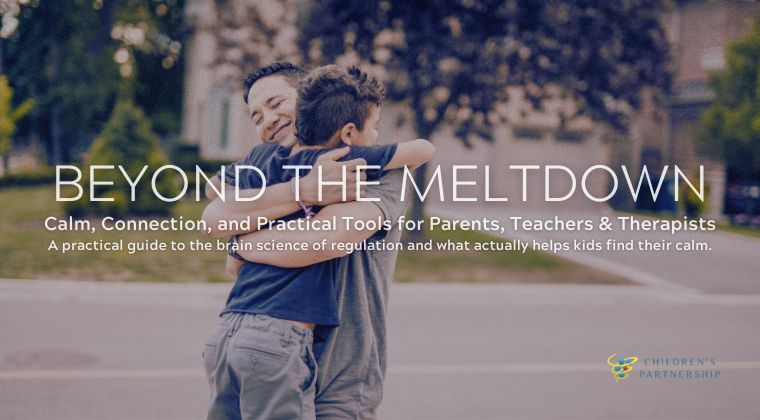
Meltdowns, shutdowns, and "big behavior" moments can feel unpredictable and overwhelming for kids and for the adults trying to help them. Beyond the Meltdown goes past quick-fix tips and into the why behind dysregulation, giving you a clear framework you can actually use, whether you're a parent at the dinner table, a teacher mid-lesson, or a clinician in session. By the end of this course, you'll understand what's happening in a child's brain and body during dysregulation, why co-regulation matters more than willpower or consequences, and how to choose the right strategy for the right moment at home, in the classroom, or in clinical practice.

What you'll learn
Understand the "why" behind meltdowns
The brain science of stress responses, the Window of Tolerance, and why regulation, not behaviour charts is the real foundation for calm.
Build a real toolkit, not just tips
A step-by-step framework (Explore, Observe, Guide) plus sensory, environmental, and co-regulation strategies matched to the moment.
Make it stick, everywhere
Turn strategies into daily habits, troubleshoot resistance, and adapt what you learn across home, classroom, and clinical settings with a personalised plan to take with you.
Why This Course Is Different
This isn't a list of tricks to make meltdowns stop. It's a framework grounded in brain science and years of hands-on experience that helps you understand why a strategy works, so you can adapt it to your child, your classroom, or your clients instead of hoping a script works for everyone.

Genevieve Chua
Introduce yourself to your audience. How did you become an expert in your field? What challenges did you face on your way to success? How did you overcome them? Why are you excited to share your knowledge? What is your biggest goal with regards to teaching?
Curriculum
Module 1: Understanding the Brain A foundation in brain architecture, the fight/flight/freeze response, and the Window of Tolerance: what it looks like when a child is in, above, or below it. Module 2: Why Regulation Matters How dysregulation gets mistaken for misbehaviour, and why co-regulation, not willpower is the foundation kids need before they can self-regulate. Module 3: The Regulation Framework Part A: Foundations — the Physical, Emotional, and Mental resources model. Part B: The Process — Explore, Observe, Guide: a step-by-step approach to guiding a child toward regulation. Module 4: Types of Regulation Strategies Sensory, environmental, and co-regulation strategies and how to match the right one to the right child and moment. Module 5: Putting It Into Practice Building regulation into daily routines, troubleshooting resistance, adapting across home/classroom/clinical settings, and a takeaway regulation plan template.
What people are saying
Testimonials build trust — fast. Edit this section to show how your product is making a difference and help your audience purchase with confidence.
Text-only testimonials are quick to scan and can highlight the value of your product at a glance.
Las Vegas, NV

The combination of text and imagery make the testimonial feel more personal and credible.
Working mom
Finally, a handbook that makes photography feel simple! It covers everything from camera settings to post-processing in a way that actually makes sense.
Amateur photographer
Text-only testimonials are quick to scan and can highlight the value of your product at a glance.
Las Vegas, NV
The combination of text and imagery make the testimonial feel more personal and credible.
Working mom
Finally, a handbook that makes photography feel simple! It covers everything from camera settings to post-processing in a way that actually makes sense.
Amateur photographer
Add a clear and direct call-to-action
Seal the deal with a bit more content that supports the main call to action.
$29.95